
In global markets, why do exchange rates change from one moment to the next? Exchange rates move when currency supply and demand shift. Economic news, central banks, global events, and investor actions can change demand. A currency often gains value when more buyers want it and may weaken when sellers increase in the market. These forces may raise one currency’s value while lowering another.
First Class Currency helps readers understand how these movements may affect international payments. Rate changes can influence travelers, overseas property buyers, companies, and people sending money abroad. However, no source can predict every movement because currency markets respond to many connected factors.
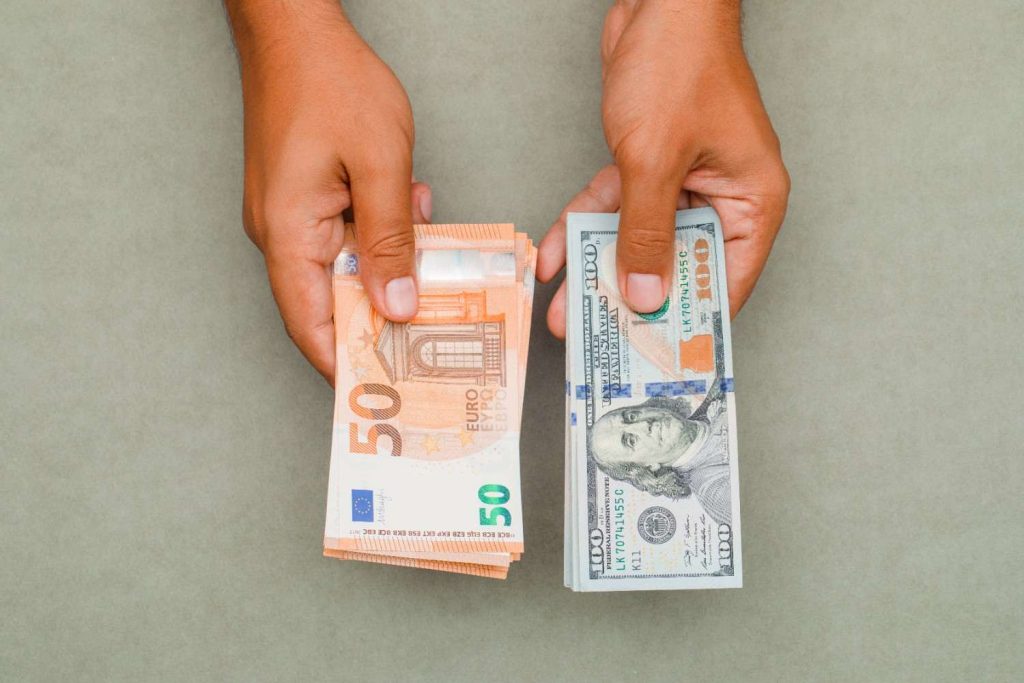
The question why do exchange rates change matters when people plan to send or receive money. A currency can rise when demand grows stronger than supply. It can fall when demand drops or more people choose to sell it.
The question why currency exchange rates change has no single answer. Markets measure each currency against another currency. Several forces can move both values at the same time.
Common causes include:
These causes often work together, so one event may not fully explain a rate change.
An exchange rate tells you how much one currency is worth in another currency. The question why do exchange rates change starts with this comparison. The global currency exchange market uses currency pairs, such as GBP/USD or GBP/EUR. The pair compares the first currency with the second one.
The question why do exchange rates change daily matters because both currency values can move. A higher or lower number shows that the pair has changed. One currency may seem stronger only because the other became weaker.
Keep these points in mind:
Always check the full quote before you approve a currency exchange.
The question why do exchange rates change starts with the number of buyers and sellers in the market. People, banks, companies, governments, and investors buy and sell currencies each day. Strong demand can raise a currency’s value because more buyers want it. A larger supply can lower its value when sellers offer more currency. Weaker demand can also push the value down.
The question why currency exchange rates change also involves trade, travel, investment, and money transfers. These activities create demand because people need foreign currency to pay across borders. Market views can shift demand before an event takes place. Buyers may act early, for example, when they expect a rate change. Several forces often work together, so one cause may not explain the full move.
No single cause controls every currency move. Rates often react to several forces at once. No one can know each move in advance.
Central banks set or guide interest rates. The question why do exchange rates change often leads back to these choices. Higher rates may attract foreign money as investors seek better returns. Expected changes may move currencies before a bank acts. Investors also compare rates across countries. Higher rates, however, do not always strengthen a currency. So inflation, debt, growth, and fear can change the result.
Inflation means prices rise while money buys less. The question why do exchange rates change over time often links to inflation gaps between countries. High inflation may reduce trust and weaken a currency’s buying power. Markets compare price growth across nations. A rate may react fast to one report, but the long-term effect can differ. Interest rates, wages, and growth also shape the market response.
Economic data shows how much people and firms produce, earn, and spend.
Exporters often trade foreign money for local currency, which can raise local demand. Importers need foreign currency to pay overseas sellers. Companies may use corporate foreign exchange services for these payments. Foreign investment can also increase demand when investors buy local firms or assets. Investors may move money out when risk rises. Large and fast outflows can place added pressure on a currency. Trade flows can move rates in both ways.
Elections, new laws, and policy shifts can change how people view a country. Unrest and global disputes may add fear. High public debt may also worry investors. Clear and stable rules can support trust because firms can plan with less risk. One political event, however, will not create the same result each time. Markets also consider trade, growth, interest rates, and world events.
Market views can move quickly, even before official facts appear.
Some central banks buy or sell currencies to guide the market. A bank may buy its currency to support demand. It may sell the same currency to add supply. Banks also change rates or make public statements. These steps can shape what traders expect. They may work for a short time, but they do not always create lasting results. Markets may also react in an unexpected way.
Large world events can change trade, costs, and market trust.
The question why do exchange rates change often connects to new facts and market trust. Economic reports, central bank comments, and political announcements can change how investors feel. Unexpected news may also push buyers and sellers to act. A small change from what markets expected can still cause a quick rate move.
Common short-term causes include:
The question why do exchange rates change daily also involves trading across many time zones. Banks, companies, and investors trade currencies while markets open and close around the world. Large deals can shift supply or demand fast. Investor confidence may rise or fall during the day, so rates can move within a short time.
The question why do exchange rates change over time often links to slow shifts in a country’s economy. Inflation, economic growth, and government debt can build or weaken trust. Interest rate gaps can also draw money into or away from a currency.
The question why do exchange rates change also connects to trade and long-term investment. Key forces include
Sudden moves can still happen inside a longer market trend. Fresh news may push a currency the other way for a short time. A long-term rise may include short drops, while a long-term fall may include short gains.
The question why do exchange rates change matters because each move can affect your transfer. A weaker rate may lower the amount received. It may also raise the amount a sender must pay.
People buying property abroad may see their deposit or final payment change in value. Rate moves can also affect the full property budget.
People selling property abroad may receive funds in another currency. The rate used for conversion can change the final amount they keep.
When you send money abroad, rate moves can affect business invoices and regular overseas payments. Clear transfer planning can help you prepare for these costs.
At First Class Currency, we explain the difference between an indicative mid-market rate and a customer rate. The customer rate may include a currency spread or transfer fee. Market conditions at the transaction time also matter. Market tools may show rates that customers cannot use for a transfer.
Check each part of your transfer before you approve it. Clear details can help you understand the cost and the amount someone will receive.
The question why do exchange rates change matters when you compare the currencies and amount in your transfer. Check these basic details first.
Different money transfer destinations may use different currencies, rules, and payment steps. Review the full quote before you agree.
Your reasons for transfer can affect which planning choices may be available. Read the provider’s terms and ask about each option.
An option may help one customer, but it may not suit every transfer.
The question why do exchange rates change may arise before an overseas payment. Review our send money abroad service to learn about transfer steps and the details you may need.
At First Class Currency, we can discuss your currencies, transfer amount, deadline, and payment needs. Contact us to ask about available options and request clear information before you approve your international transfer.
Exchange rates can move many times during active market hours. News, large trades, central bank comments, and changes in demand can cause quick rate movements.
A currency may grow stronger when demand rises. Interest rates, low inflation, economic growth, trade, and investor trust can all affect demand.
Online tools often show an indicative mid-market rate. Your customer rate may differ because of market conditions, currency spreads, transfer fees, and the transfer amount.
No one can predict every currency movement with certainty. You can review market information and discuss available transfer options before making your choice.
Prepare the currencies, transfer amount, payment deadline, recipient details, and transfer purpose. You should also review the final quoted rate, fees, and expected amount received.