
In simple terms, the foreign exchange rate definition shows the value of one currency when compared with another. It explains how much of one nation’s money you need to purchase one unit of a different currency.
First Class Currency helps customers understand currency rates before making an international transfer. Clear rate information can help you estimate how much money the recipient may receive.
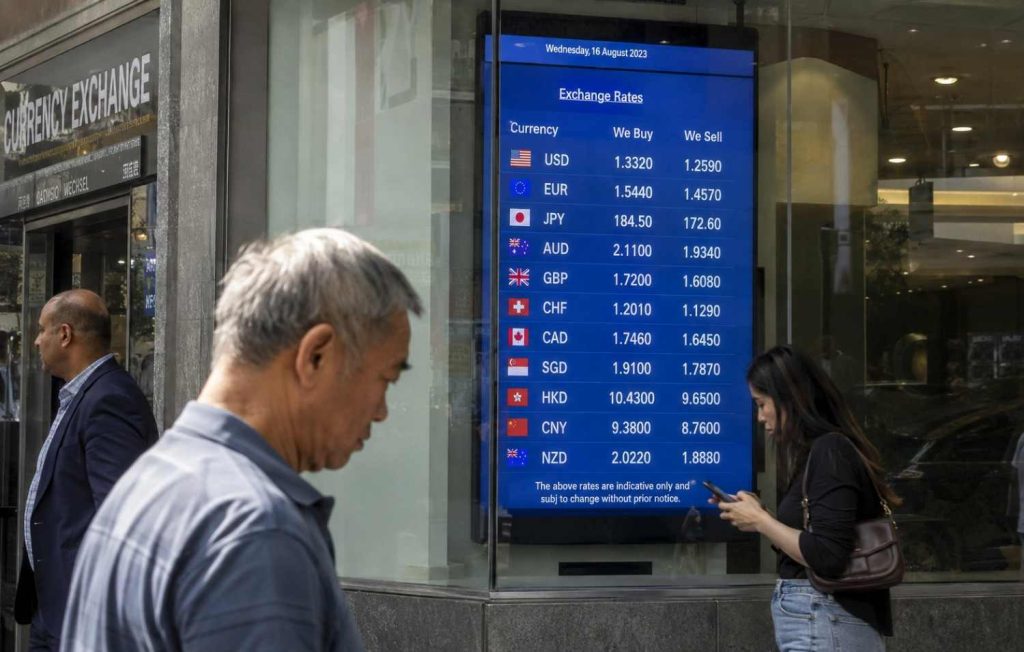
The foreign exchange rate definition shows the value of one type of money against another. A rate tells you how much one currency can buy. For example, it may compare British pounds with US dollars. This simple comparison makes the rate easier to understand.
The definition of foreign exchange rate also helps you read a currency pair. GBP/USD shows the British pound first and the US dollar second. The first currency is the base currency. The second currency shows its value, so you can compare both forms of money.
A foreign currency exchange rate definition can help you work out a larger sum. A sample GBP/USD rate of 1.25 creates this simple calculation:
People search for a foreign exchange rate definition to learn how sample rates work. The example above does not promise a final customer rate. Rates can move before you confirm a transfer. A spread and other costs may change the amount. Always check the full quote before approving a payment.
The first code in a currency pair shows the base currency. This foreign exchange rate definition helps you read the pair from left to right. The base currency usually stands for one unit. In GBP/USD, GBP is the base currency. The rate starts with one British pound and shows its value in US dollars.
The second code in the pair shows the quote currency. The definition of foreign exchange rate makes its job easy to understand. This currency shows how much you need to buy one unit of the base currency. In GBP/USD, USD is the quoted currency, so the rate shows how many US dollars equal one British pound.
The phrase exchange rate definition foreign currency can help you read another sample pair. Suppose EUR/USD equals 1.10. EUR appears first, so it is the base currency. USD appears second, so it is the quoted currency. This rate means one euro may buy 1.10 US dollars. This example only shows how math works.
A floating exchange rate can rise or fall as people buy and sell currencies each day. The foreign exchange rate definition helps explain this change in value. Strong demand may push a currency’s value up. Weak demand may pull it down. Trade, market news, jobs data, and world events can also move the rate. A central bank does not keep this rate at one set value, so the market plays the main role.
A fixed exchange rate stays linked to another currency or a set value. The phrase foreign exchange rates definition often includes this type of rate. A government or central bank chooses the link and works to support it. The bank may buy or sell currency when the rate moves too far. This system aims to keep the rate more steady. The set value may still change under some conditions.
A managed floating rate can move as the market changes. The phrase exchange rate definition foreign currency can help explain this mix of market change and bank action. Supply, demand, trade, and news can change the value. A central bank may step in when the rate moves too fast or too far. Each system serves different needs, so no single exchange rate system works best for every country and its economy.
A mid-market rate sits between the prices used to buy and sell a currency. People may also call it an indicative rate. A clear foreign exchange rate definition helps show why this rate matters. A live market widget may display this rate for basic information. It does not always match the rate you receive for a real transfer.
A provider’s transaction rate is the rate offered for your transfer. You may see the phrase exchange rate definition foreign currency when learning about this final rate. The provider may add a spread, service cost, or transfer cost. The amount, currency pair, payment time, and market may also affect the quote.
Check the full quote before you approve a transfer. Confirm the final rate, fees, payment amount, recipient amount, and delivery details. Ask questions if any part seems unclear. A displayed market rate gives useful information, but it does not promise the final transaction rate. Rates and costs may change before you confirm the payment.
Currency values can rise or fall as people buy and sell money around the world. Many events can change what buyers will pay.
Supply means how much of a currency is available. Demand means how many people want it. Strong demand can raise its value. Lower demand can reduce its value. A clear foreign exchange rate definition helps explain how these two forces can move rates.
Interest rates can affect how much people want a currency. Higher rates may attract more buyers, but this does not always happen. Lower rates may reduce demand in some cases. Other news and market needs can also shape the result.
Inflation means prices rise over time. High inflation can reduce how much people can buy with their money. A foreign currency exchange rate definition also shows why buying power matters. Lower buying power may weaken demand for a currency, but other forces can change the outcome.
New economic data can change how people view a country’s economy. Markets may react to jobs reports, business growth, trade figures, and consumer spending. Strong data may support demand for a currency. Weak data may lower demand, but market reactions can differ.
Elections and new laws can change how markets view a country. Conflicts, trade rules, and world events may also create doubt. This doubt can cause fast changes in currency demand. Markets may settle as people learn more about the event.
Central banks set interest rates and guide money policy. They may raise rates, lower rates, or take other steps. These choices can affect how people buy and sell a currency. The result can vary because markets also watch many other events.
A clear foreign exchange rate definition shows why currency changes matter during an international payment. A higher or lower rate can change how much money the recipient gets. It can also change how much the sender must pay. The final result depends on the rate used when the transfer is confirmed.
People may send money abroad to help their family, move to a new home, or pay school fees. A rate change can raise or lower the amount needed. It may also affect rent, travel costs, medical bills, or other personal payments.
People may make a deposit when buying property abroad. They may also pay legal fees, taxes, repairs, and ongoing property bills. Owners may receive sale funds when selling property abroad. The exchange rate can change the home-currency value of each payment. This information explains currency costs and does not give property investment advice.
Companies use corporate foreign exchange to pay supplier bills and collect customer funds in other currencies. They may also pay overseas teams, contractors, office costs, and international service fees. A rate move can change the cost or value of these payments. Clear payment plans can help a business track its currency needs and due dates.
A clear foreign exchange rate definition can help you plan a simple conversion. Start by checking what you have and what you need. Then read the pair in the right order.
Suppose USD/CAD equals 1.35. You have US$100 and need Canadian dollars. Since USD appears first, multiply 100 by 1.35. The sample result is C$135. You would receive this amount before any rate change or cost. This figure does not include a spread, fee, or other transfer cost.
The phrase exchange rate definition foreign currency can guide a reverse calculation. Suppose you have C$135 and need US dollars. Divide 135 by 1.35 because USD appears first in the pair. The sample result is US$100. Division helps when you start with the second currency in the pair.
Both examples use sample figures only. A live quote may use a different rate. It may also include a spread or transfer cost. Check the final rate and each transaction detail before you approve the payment.
Check every detail before you exchange currency or approve a payment. A clear foreign exchange rate definition can help you understand the quoted rate. People use global currency exchange for many types of overseas payments. Rates may also change before you confirm the transfer.
Confirm the rate and all transaction details before approving the payment. This final check can help prevent simple mistakes.
First Class Currency can help you plan an international currency transfer with clear steps. Our team can explain the foreign exchange rate definition in simple words. We can also review the currencies involved, transfer amount, and payment deadline. This helps us understand the basic details of your planned payment.
Tell us about the recipient or payment needs before you approve the transfer. We can discuss your request and explain the details you may need to check. Contact us to speak with our team and learn more about the transfer process. Final rates, costs, and times may vary.
A foreign exchange rate definition shows the value of one currency against another. It tells you how much of one currency you need to buy another currency.
Rates change due to supply, demand, interest rates, inflation, and economic news. Elections, global events, and central bank choices may also move currency values.
Not always. A market rate may show an indicative mid-market price. The customer rate may include a spread, service fee, transfer cost, or other charge.
Read the currency pair from left to right. You may multiply or divide the amount based on the pair. Check the final quoted rate before making a payment.
Check the currencies, transfer amount, payment date, bank details, final rate, and all costs. Confirm how much the recipient should receive before approving the transfer.