
Several factors affecting currency exchange rates can change how much one currency is worth against another. Currency values rise or fall as supply and demand shift across global markets. When more buyers want a currency, its value may increase. When demand falls or more sellers enter the market, its value may decrease. Inflation, interest rates, trade, economic growth, and public debt can all affect demand. Political events, central bank decisions, and market views can also cause fast changes.
First Class Currency created this guide to explain why exchange rates move and what may influence them. It gives readers a clear view of the economic, political, and market forces behind currency movements. These forces often work together, so one event may not explain every change. Market expectations can also affect a rate before new data or official news appears. This guide offers general information and does not predict future currency values or transfer rates.
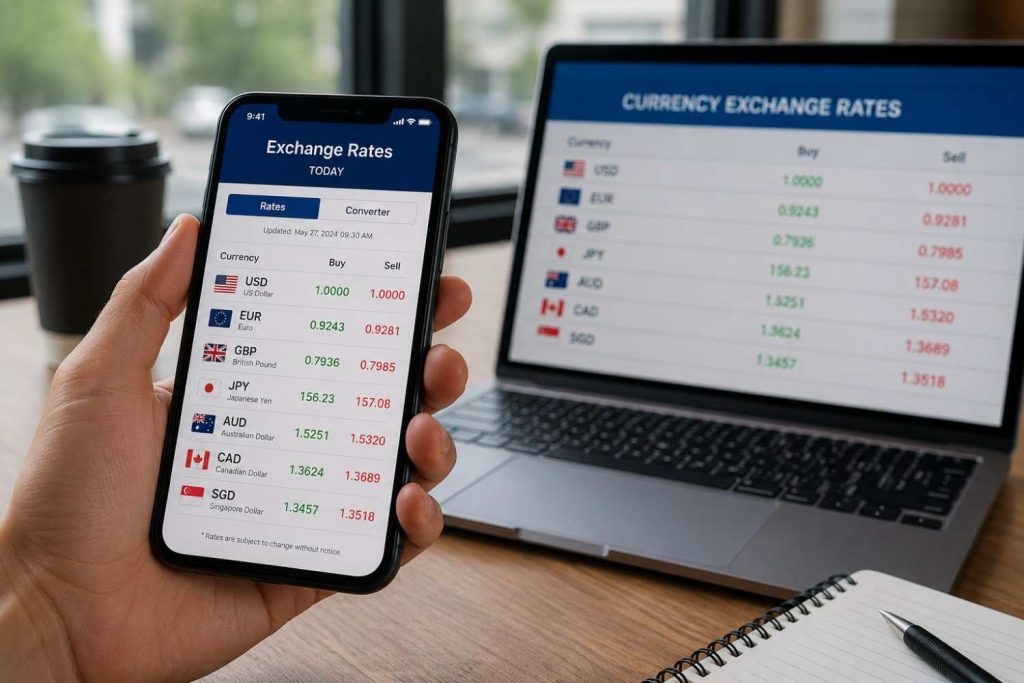
Many factors affecting currency exchange rates can change how much one type of money is worth. These include prices, loan costs, trade, debt, growth, and public trust. Each factor may change how much people want to buy or sell a currency. Demand may rise when buyers feel safe and see good signs.
The factors affecting foreign exchange rates often work as a group. One change may raise demand, while another may lower it. A strong report can help a currency, but fear may still pull its value down. Rates can also move when banks change key rules or world news shifts how people feel. This table gives a quick view.
Factor | What May Happen | Why It Matters |
Inflation | A currency may lose buying power | Prices may rise faster |
Interest rates | Demand may rise or fall | Gains and risks can change |
Economic growth | Trust may improve | Business activity may grow |
Trade balance | Currency demand may change | Imports and exports affect money flow |
Government debt | Risk concerns may rise | Investors often review debt levels |
Political stability | Trust may change | Risk can affect funds |
Market sentiment | Prices may move fast | Traders may react to news |
Central bank policy | Currency supply may change | Policy can affect loans and demand |
Buyers create demand when they need money from another nation. This need is one of the factors affecting currency exchange rates across the market.
Sellers add to supply when they trade one currency for another. The factors affecting foreign exchange rates often depend on how much people buy and sell.
Trade starts a global currency exchange when a buyer pays a seller in another nation. More trade can raise the need for that seller’s currency.
Overseas funds can raise demand for local money. A person buying property abroad may need to trade funds for the currency used there.
Future hopes can move rates before news comes out. The factors affecting exchange rates include what buyers think will happen next.
One simple trade example shows how buyers may change demand for a currency.
An economy can change how buyers view its money. Key factors affecting exchange rates include prices, loan rates, jobs, trade, and public debt. These forces can raise or lower demand. They often work together, so one fact rarely controls a rate.
Inflation means prices rise and money buys less. High inflation can weaken buying power and lower trust. The factors affecting currency exchange rates often include price growth. Low inflation may build trust, but it does not always raise a currency. Growth, trade, risk, and demand still matter.
Interest rates set what people earn on savings and pay for loans. They are economic factors affecting exchange rates because they change possible gains. Higher rates may draw money from other nations and raise demand. High rates can also point to inflation or risk. A higher rate does not always make a currency stronger.
Strong growth may help firms earn more. Jobs can raise spending and business growth. Markets compare job reports with what buyers had hoped to see.
Imports are goods a nation buys from abroad. Exports are goods it sells overseas. A trade surplus means exports are worth more than imports. Overseas buyers may need the seller’s currency and raise demand. Trade data matters, but it cannot explain each rate change.
Public debt grows when a government borrows money. Loans, spending, and tax rules may change overall market trust. Buyers review credit risk and inflation fears. High debt does not always weaken a currency. The market also weighs growth, laws, and past payment records.
Markets react to real facts and future hopes about what may happen. News can move rates before events occur. Rates may shift when results differ from what traders expected.
Stable rules can build trust in a nation’s money. Political events are factors affecting currency exchange rates in world markets. Elections and policy changes may affect taxes, trade, debt, or spending. Conflict or unrest may also slow trade and business work. Investors may move funds to places they view as safer. No political event causes the same result each time.
Market mood shows how buyers and sellers feel about risk. News and forecasts can build hope or fear. Traders may act on what they think will happen. Expectations can move rates before official data appears. High risk appetite may lead buyers toward currencies with more chance for gain. Fast buying can raise a price, while fast selling can pull it down.
Central banks guide money and credit. They set rates, guide the money supply, and set inflation goals. Public statements can move markets by giving clues about future plans. A bank may trade currency to guide supply. This step is called market intervention. No central bank choice can promise a set result.
Major events can change how safe people feel about currencies. Financial stress, natural disasters, and health emergencies may slow trade or work. Wars and trade disputes may block goods or raise costs. Energy and commodity prices can change a nation’s income. Investors may move money toward currencies they view as less risky. This shift can raise demand for one currency and lower it for another.
Currency rates move for many reasons. The factors affecting currency exchange rates can act at the same time. Inflation may lower buying power, while high interest rates may draw in foreign money. These facts may raise or lower market trust. Political news may also change how safe buyers feel. One force may lift a currency, but another may pull it down. This mix can make rate changes hard to predict.
A nation reports strong job growth. This sounds good, but its currency may still fall. Traders may have hoped for even more jobs. High inflation may also cut the good news. The central bank may keep interest rates the same. Political news may lower market trust at the same time. The report is positive, yet other facts may carry more weight.
An exchange rate always compares two currencies. A rate can move because one currency grows stronger or the other grows weaker. Conditions in both nations matter, including prices, rates, trade, growth, and public trust.
The currencies you exchange help set how much money arrives. The factors affecting currency exchange rates may change the result for large and small transfers. A larger transfer may show a bigger change in the final amount.
A payment deadline can affect when you must exchange your funds. The factors affecting foreign exchange rates may move the market before you send the transfer. A rate may rise or fall during that time.
Your reasons for transfer may shape the amount, date, and payment steps. You can send money abroad when you need help with an overseas payment.
People selling property abroad may need to exchange sale funds into another currency. A market change can affect how much reaches their chosen account.
Displayed market rates may be indicative mid-market rates. They only serve as a guide. They may not be available at transaction rates. Fees and rate spreads, or price gaps, can change the amount received. Always check the final transaction rate before you approve the payment.
Start with reports that show how an economy may change. The factors affecting currency exchange rates can include price growth, jobs, bank rates, and world events. Check central bank news because new rate plans may change demand for a currency. Watch political news and major events because they may change how safe buyers feel. Past rate moves can offer context, but they cannot predict future results.
Compare the correct currency pair for your payment. Different money transfer destinations may use different currencies, banking steps, and delivery rules. Check the amount, payment date, fees, and rate spread before you send funds. Ask for the final rate because a market rate may only serve as a guide. A small market move may affect a large payment more than a small one.
First Class Currency supports people and businesses with personal and international payment needs. We use trusted exchange specialists to explain each step in plain words. Our customer support team can help you review your currencies, amount, payment date, and transfer needs.
The factors affecting currency exchange rates may change the market before you send funds. We provide a clear and transparent currency exchange process with no hidden fees. Our secure payment process helps protect each approved transfer. You can also review our Security of Funds details before you make a payment.
Our corporate foreign exchange support can help businesses plan overseas payments. We also support personal transfers for people who need to move money across borders. Market rates may change, so we do not promise a fixed rate, result, or saving.
First Class Currency can help you plan an international transfer with clear and simple support. Our team can explain the factors affecting currency exchange rates and how market changes may affect your payment. We can also help you review the currencies you wish to exchange.
Contact us to discuss your currencies, transfer amount, payment deadline, and other needs. We will help you understand the next steps before you approve the transfer. Rates can change, so we cannot promise a fixed rate, saving, or financial result.
Factors affecting currency exchange rates include inflation, interest rates, trade, public debt, political news, and market demand. These forces often work together, so one event may not control a currency’s value.
High inflation can reduce the buying power of a currency. Buyers may then lose trust in it. Low inflation may help build trust, but it does not always make a currency stronger.
Yes, elections, policy changes, wars, and public unrest may affect market trust. Buyers may move money when they feel unsure. However, political news does not always cause the same result.
Displayed rates may be indicative mid-market rates for general information. Fees, rate spreads, market changes, and transfer details may affect the final transaction rate. Confirm the final rate before approving your transfer.
First Class Currency can help you review your currencies, transfer amount, deadline, and payment needs. Contact us to discuss the transfer process. We cannot promise a fixed rate, saving, or financial result.