
The best time to exchange currency is often mid-week, from Tuesday through Thursday, during regular weekday business hours. Specifically, consider the overlap between the London and New York trading sessions (8:00 AM to 12:00 PM EST), when market liquidity is typically high and exchange rates may be more competitive.
However, exchange rates can change at any time due to economic news, interest rates, and global events. First Class Currency can help you understand current market conditions and plan your currency exchange based on your needs and transfer timeline.
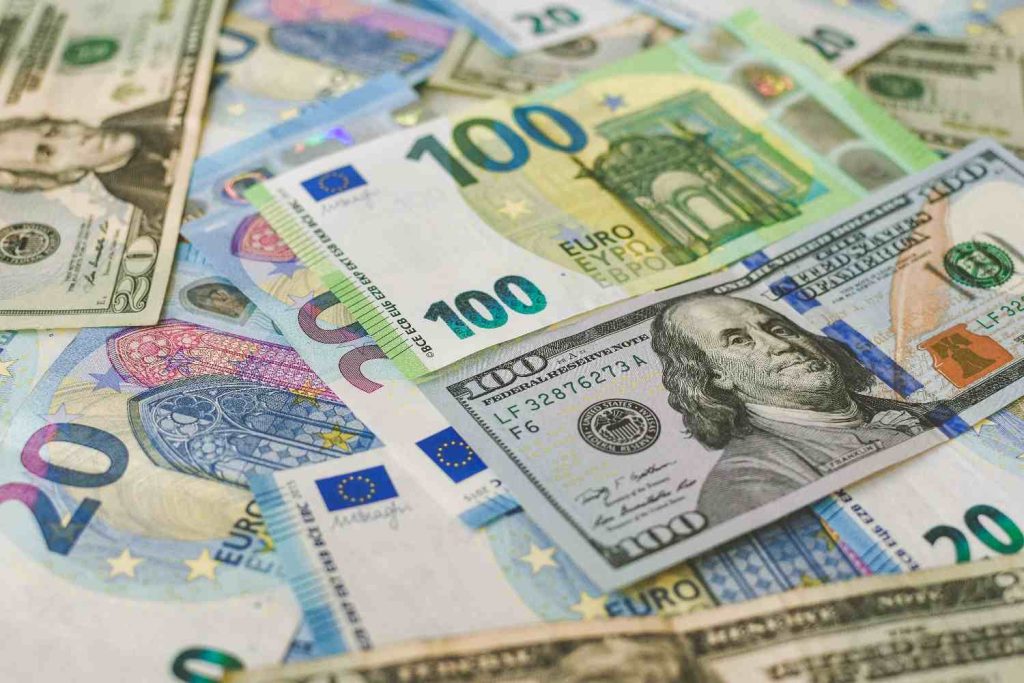
The best time to exchange currency often depends on market activity, your currency pair, and your payment needs. No single day or hour can promise the most favorable rate. Currency values can rise or fall at any time.
The foreign exchange market runs through the working week. Activity changes as major financial centers open and close. London is a key center for currency trading. New York also handles a large share of daily market activity.
When these markets are open, more buyers and sellers can take part. This can increase market liquidity. In simple terms, there is more trading activity. However, high liquidity does not mean a currency will move in your favor.
People asking when is the best time to exchange currency should consider several factors:
These points are the best time to exchange currency tips when planning a transfer. They can help you make a more informed choice without trying to predict the market.
Tuesday through Thursday often sees steady activity across major financial markets. By this point, markets have had time to respond to news released over the weekend or early in the week. Monday can sometimes bring more price movement. Traders may react to political events, economic reports, or other news from the weekend. Friday can also behave differently. Some traders may adjust their positions before markets close for the weekend. This activity can cause rates to move.
For this reason, people looking for the best time to exchange foreign currency may pay closer attention to mid-week rates. However, this is only a general market pattern. It does not mean Tuesday, Wednesday, or Thursday will always provide a better rate. Unexpected news can affect rates on any working day.
The time of day can affect how active the currency market is. This happens because major financial centers operate in different time zones. London and New York trading hours overlap for part of each working day. This overlap is roughly between 8:00 AM and 12:00 PM Eastern Time. During this period, both markets are active. More trading can increase liquidity in the global currency exchange market. Buyers and sellers may have more opportunities to trade during these busy hours.
However, greater market activity does not tell you which way an exchange rate will move. Rates can still rise or fall due to economic reports, interest rate news, political events, or changes in demand. Instead of relying only on a certain hour, consider the current rate, your budget, and your payment deadline before making an exchange.
Currency exchange rates change because people and businesses constantly buy and sell currencies. Supply and demand play a major role in these changes. When demand for a currency grows, its value may rise. When demand falls, its value may drop. The amount of currency available in the market can also affect its value.
Many factors can change supply and demand. Interest rates, inflation, economic reports, and political events can all affect the market. These changes make it hard to predict the best time to exchange currency with complete certainty. Understanding the main causes can help you make a more informed choice.
Central banks set or influence interest rates in their countries. Changes in these rates can affect how investors view a currency. Higher interest rates may make a currency more attractive to some investors. This can increase demand. Lower rates may have a different effect.
However, interest rates are only one part of the picture. Markets also consider what they expect central banks to do next. Interest rate changes can matter for personal transfers and corporate foreign exchange. Businesses that make large overseas payments may watch rate decisions when planning their currency needs.
Inflation means that the cost of goods and services rises over time. It can also affect the value of a country’s currency. High inflation can reduce the buying power of money. If inflation rises faster than expected, investors may change how they view that currency.
Central banks may also respond to inflation by changing interest rates. This can lead to further movement in exchange rates. Travelers searching for the best time to exchange currency for travel should understand that inflation is one of many factors that can influence rates before a trip.
Countries release economic reports throughout the month. These reports help show whether an economy is growing or slowing.
Unexpected results can cause exchange rates to move quickly.
Central banks make key decisions about interest rates and monetary policy. Their announcements can have a strong effect on currency markets. Markets often react when a decision differs from what investors expected. Even comments about possible future policy changes can cause exchange rates to move. This is one reason there is no fixed best time of year to exchange currency. Central bank decisions and economic conditions can change throughout the calendar.
Political and global events can also affect currency values. Markets often respond when an event changes confidence or creates uncertainty.
The effect is not always easy to predict. Similar events can cause different market reactions at different times. For this reason, past movements cannot tell you exactly what a currency will do next. Watching the factors behind exchange rates can provide useful context, but no method can guarantee future currency movements.
People often look at Tuesday through Thursday when planning a currency exchange. These days can have steady activity because major financial markets around the world are open.
However, there is no fixed best time to exchange currency. A Tuesday rate is not always better than a Monday or Friday rate. Exchange rates can change at any point during the working week. If you are asking when is the best time to exchange currency, it helps to understand how market activity changes from weekdays to weekends.
Tuesday through Thursday can be active periods for the global currency market. Major financial centers in Europe, North America, and Asia are operating through their normal schedules. During these periods, there are often many buyers and sellers in the market. This can create higher market liquidity.
Market liquidity simply means currencies can be bought and sold more easily. High liquidity can support smoother trading and more active pricing. However, liquidity is different from exchange-rate direction. Exchange-rate direction describes whether one currency rises or falls against another. High liquidity does not mean a rate will move in your favor.
Mid-week markets may also respond to planned economic reports. These may include inflation data, employment reports, and central bank updates. Unexpected results can cause rates to change quickly. For this reason, Tuesday through Thursday may sometimes be considered the best time to exchange foreign currency based on market activity. Still, no weekday can guarantee a better rate.
Major foreign exchange markets generally close for the weekend. This means normal live trading activity falls until markets begin opening again. Currency providers may still offer exchange services during this period. However, each provider sets its own rates, margins, fees, and operating hours.
Weekend pricing can account for the risk that market rates may change before normal trading resumes. This does not mean every provider will charge more at the weekend. One of the most useful best time to exchange currency tips is to compare the actual rate and total cost you are offered. Do not make a decision based only on the day of the week.
Planning before the weekend can make sense when you have a payment deadline. This is especially useful if you need to send money abroad by a set date.
Consider:
Waiting for a certain weekday does not guarantee a better result. Your deadline and currency needs can be just as important as market timing. Planning ahead gives you more time to review your options and avoid making a rushed currency exchange.
Bank holidays and seasonal events can affect currency exchange. However, they do not create a fixed best time to exchange currency. Rates can still rise or fall for many reasons. The key is to understand how holidays and different times of the year may affect markets and payments. This can help you plan ahead.
A bank holiday may reduce the number of people and businesses taking part in the market. Some banks and payment services may also have shorter hours or close for the day.
This can matter when sending money for property, travel, business, or other large payments. Check bank holidays in both countries before making an important transfer. A normal working day in one country may be a bank holiday in another. Rates are not always worse on bank holidays. The main concern is that fewer services may operate and payment times can change.
There is no reliable best time of year to exchange currency that works for every currency or customer. No month or season can promise a better exchange rate. Currency values respond to many events throughout the year. Some are planned, while others happen with little warning.
Seasonal factors may include:
Travel plans can also affect when people need foreign money. Someone looking for the best time to exchange currency for travel may benefit more from planning early than waiting for a certain month. The same applies across different money transfer destinations. Each country has its own economy, interest rates, holidays, and political events. These factors can affect its currency in different ways.
Large economic events often matter more than the month itself. Interest rate changes, inflation, employment data, and unexpected global news can cause fast changes. For this reason, past seasonal trends do not tell you what rates will do next.
There is no simple rule for choosing the start, middle, or end of a month. Large companies and financial groups often make payments at set times. Near the end of a month, some may buy or sell large amounts of currency. This activity can affect demand and cause rates to move.
The start of a month may also bring new economic reports or business payments. These events can affect the market as well. This does not mean the middle of the month will always have calmer markets or better rates. Instead of relying on a date, consider the current rate and your payment deadline. Planning ahead gives you more time to review your options before you need to exchange.
Large international payments need careful planning. Even a small change in an exchange rate can change the total cost of a large transfer. This matters when buying or selling property abroad. It can also matter when paying overseas suppliers, moving abroad, or sending a large personal payment.
Other common reasons for transfer may include:
There is no fixed best time to exchange currency for every large payment. Your transfer amount, deadline, budget, and current rate can all affect your choice.
A small rate change may seem minor. However, its effect becomes larger when you exchange a large sum. For example, imagine you need to buy €200,000 for a property. If the exchange rate changes before your payment, the amount you need in pounds could also change. The difference may become important when you have a fixed budget.
This is why people often ask when is the best time to exchange currency before making a large international payment. There is no certain answer because rates can move in either direction. Planning early can give you more time to review the rate and prepare for the payment.
The best time to exchange currency tips is to focus on your needs rather than trying to predict the market.
These factors can help you build a clear plan before sending your money.
Waiting can be tempting when the current rate does not look as good as a recent one. However, nobody can know with certainty what a currency will do next.
If you wait, several things could happen:
Past exchange rates can provide useful context. They cannot tell you what will happen next. Someone looking for the best time to exchange foreign currency should avoid relying on a perfect market high or low. Those points are often clear only after they have passed.
For a large payment, your own needs can matter more than finding the perfect rate. Start with the amount you need to send. Then check your deadline and the amount you can afford in your home currency.
If a current rate fits your planned budget, that information can help you decide how to approach the transfer. If you have more time, you may have more room to review market changes. A clear plan can also reduce the pressure of making a last-minute choice. The goal should not be to predict the market. Instead, focus on your budget, transfer deadline, and the exchange level that works for your payment.
The best time to exchange currency tips is to focus on planning rather than trying to guess exactly where the market will move. Exchange rates can change quickly, so no method can promise the perfect rate.
Mid-week periods, such as Tuesday through Thursday, can see strong market activity. However, this does not mean these days will always offer a better rate. Economic news can change the market at any time. A few simple steps can help you make a more informed choice.
Start checking exchange rates well before you need to make your payment. This gives you time to see how the rate moves. You can compare the current rate with recent levels. You also have more time to review your options instead of making a rushed choice. This can be useful when looking for the best time to exchange currency for travel. Planning before your trip gives you more flexibility if rates change.
Work out how much foreign currency you need. Then calculate how much that amount could cost in your home currency. Your budget is very important for larger payments. For example, someone buying property abroad may need to exchange a large amount of money. Even a small rate change can affect the final cost of a large transfer. Setting a clear budget can help you decide which rate works for your needs.
You may see a market exchange rate online. This is often a reference rate used to show how two currencies are trading. The rate offered to a customer may differ from that reference rate. A provider may apply its own margin or pricing when completing the exchange. Always check the actual rate you will receive before making a decision.
Do not look at the exchange rate alone. Check the full cost of sending your money.
Depending on the service, costs may include:
Ask how much foreign currency the recipient will receive. This gives you a clearer way to compare your options.
Major economic news can cause exchange rates to move quickly. Events worth watching may include interest rate decisions, inflation reports, employment data, elections, and government announcements.
A central bank statement can also affect how markets view a currency. This is another reason there is no fixed best time of year to exchange currency. Important events happen throughout the calendar and can have a greater effect than the season itself.
It can be tempting to wait for the highest possible rate. The problem is that nobody knows exactly when that point will arrive. The rate may improve after you wait. It could also move against you. Tuesday through Thursday may have active trading, but a busy market does not guarantee a favorable rate. The same applies to different times of the month. Focus on a rate that works with your budget and needs instead of trying to find the perfect market peak.
Your deadline should play a major role in your plans. International payments may need time for processing and settlement. Weekends and bank holidays can also affect when a payment arrives.
Before making a transfer, check:
Planning early gives you more choices. It also reduces the chance that you will need to make an important currency decision at the last minute.
Finding the best time to exchange currency starts with clear planning and a good understanding of your payment needs. First Class Currency can help you review your options for personal or business international transfers. Whether you are sending money abroad or managing a larger payment, our team is ready to help. Contact us to discuss your currency needs and learn more about the services available to you.
The best time to exchange currency can depend on market conditions and your payment needs. Mid-week often has strong market activity, but no day guarantees a better rate. Check current rates, economic news, your budget, and your payment deadline before making an exchange.
Weekdays usually have more active currency trading because major financial markets are open. Weekend trading activity is lower, and provider pricing may differ. However, this does not mean weekday rates will always be better. Compare the actual rate and total cost before exchanging your money.
It can help to start checking rates several weeks before your trip. Planning early gives you more time to compare rates and prepare your travel money. Avoid relying on one perfect day because currency values can rise or fall without warning.
Yes, market activity changes during the day as major financial centers open and close. Trading can be more active when London and New York market hours overlap. However, higher activity does not guarantee that the exchange rate will move in your favor.
Waiting may lead to a better rate, but the rate could also move against you. No one can predict currency movements with certainty. Consider your budget, payment deadline, and the rate you are comfortable with rather than waiting for a perfect market high.